
About Sarah Jane Sellors
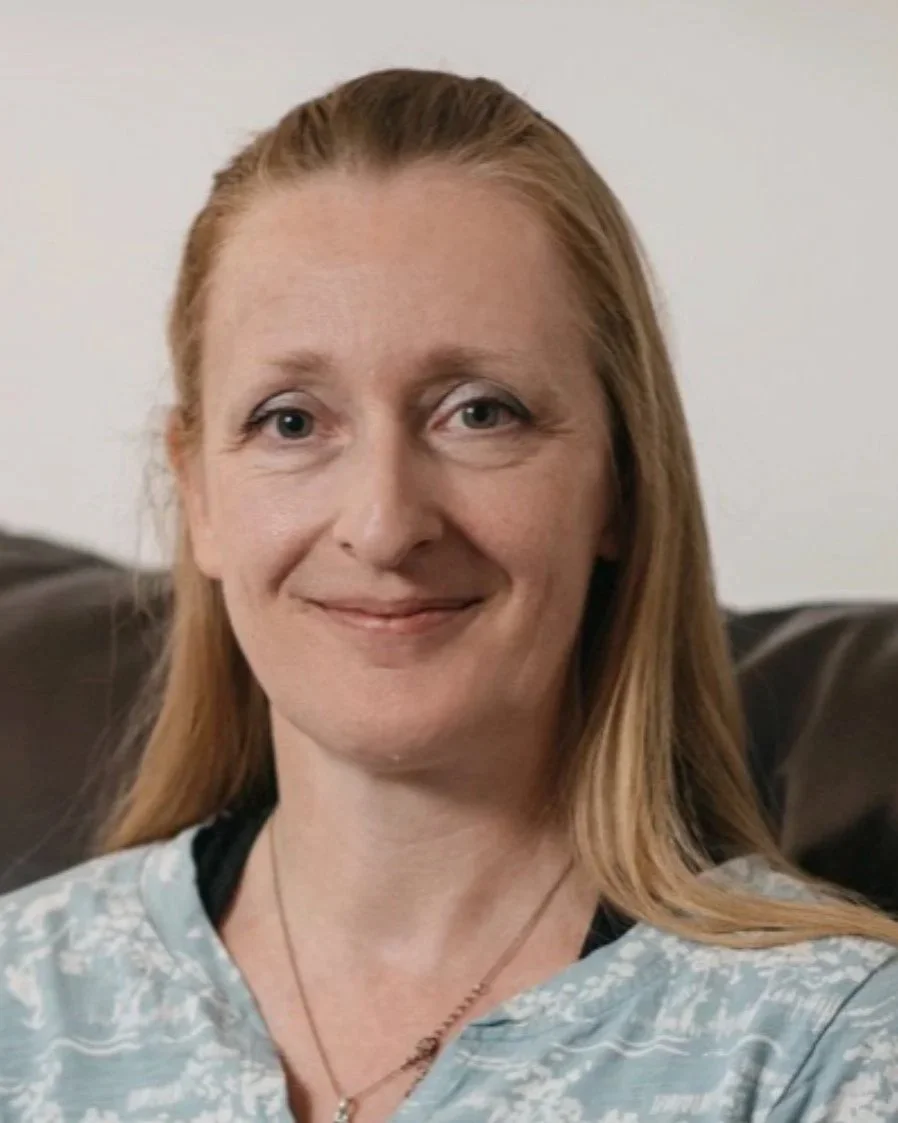
Sarah Jane Sellors is an Integrative Arts Psychotherapist who offers a calm, creative, and supportive space for children and young people to explore their feelings and experiences. She works gently and collaboratively, believing that creativity can make it easier to express emotions that don’t always come out easily in words. Her approach is flexible and centred on building a trusting therapeutic relationship.
Sarah Jane has experience working with children, teenagers, and adults, drawing on a wide palette of creative modalities to help young people express themselves in a way that feels natural and free from pressure. She adapts these activities to each person’s needs, allowing them to choose the pace, the level of talking, and what they wish to share.
Her clinical experience spans the NHS, education settings, charitable organisations, and private practice, giving her a broad understanding of the many different pressures that young people and families face. Alongside her clinical role, she contributes actively to research in the field and co authored a peer reviewed pilot study on Arts-Based Dynamic Interpersonal Therapy. Sarah Jane also serves as an Associate Editor for the International Journal of Art Therapy, supporting research and wider professional dialogue in the discipline.
Across all aspects of her practice, Sarah Jane brings warmth, curiosity, and a creative sensibility that helps young people explore their experiences, feel understood, and develop new ways of relating to themselves and others.
Qualifications
MA Integrative Arts Psychotherapy, Institute for Arts in Therapy and Education, London (University of East London)
Postgraduate Diploma in the Therapeutic and Educational Application of the Arts, Institute for Arts in Therapy and Education
HCPC Registered Art Psychotherapist (Registration: AS017435)
Member of the National Counselling and Psychotherapy Society (Membership number NCPS217)
Member of the British Association of Art Therapists (BAAT)
What is Arts Psychotherapy?
Arts psychotherapy is a gentle way for a child or young person to explore their feelings using both talking and creative activities. It is especially helpful when emotions feel too big, confusing, or difficult to put into words.
Young people might use drawing, doodling, scribbling, writing, movement, clay, sand, or other simple materials, not to make “good art,” but to express themselves in a way that feels safer and less pressured. This isn’t a lesson, and there’s no “show and tell” unless they choose to share what they’ve made.
Sometimes, being creative makes it easier for a young person to open up. When their hands are busy, or when they are imagining something together with the therapist, talking can flow more naturally, or they may prefer very little talking at all. Both are completely fine. Arts psychotherapy works well online. Using simple materials from home, a therapist guides the young person through creative activities that support expression and coping. They may create privately, or they may show the therapist when they feel ready. Sometimes they even make things together, which can help build trust and connection.
Overall, arts psychotherapy offers a different and often easier way for children and young people to communicate, understand their feelings, and develop strategies that help them cope with challenges.